
Introduction to Amazon SEO Ranking and Why It Matters for US Brands
Amazon SEO ranking decides whether your product shows up on page one or gets buried where buyers never scroll. For US brands selling on Amazon, this is not a technical detail. It directly impacts sales velocity, ad spend, and long term account health. When shoppers search on Amazon, they usually know what they want and they buy fast. If your listing does not appear early, you lose that intent to competitors.
In my 5 years working with US brands across ecommerce and private label categories, I have seen strong products fail simply because their Amazon SEO ranking was weak. Amazon’s algorithm rewards relevance, conversions, and consistency, not guesswork. Brands that treat ranking as a system, not a one time task, build predictable growth. This is why Amazon SEO ranking matters so much for US businesses aiming to scale profitably on the platform.
How Amazon SEO Ranking Works
Amazon SEO ranking built around one core goal. Show buyers the products most likely to convert. Amazon is not a discovery platform like Google. It is a buying engine. Every ranking decision is tied to sales probability.
When a shopper types a keyword, Amazon first checks relevance. This includes product title, bullet points, description, backend search terms, and category placement. If your listing is not indexed correctly, it will not rank at all. After relevance, Amazon evaluates performance. Click through rate, conversion rate, sales velocity, and recent purchase history all influence where your product appears.
In my 5 years working with US ecommerce brands, the biggest shift I have seen is how fast rankings now react to data changes. In , Amazon SEO ranking updates happen quickly. Listings that improve conversion can climb within days. Listings with poor engagement drop just as fast. This makes ongoing optimization critical, not seasonal updates.
Amazon SEO ranking today rewards listings that are accurate, buyer focused, and consistently converting across mobile and desktop traffic in the US market.
Key Factors That Influence Amazon SEO Ranking
Amazon SEO ranking is shaped by a mix of content quality, performance signals, and operational discipline. No single factor works alone. The algorithm looks at how everything connects.
Keyword relevance remains the foundation. Primary keywords must appear naturally in titles, bullets, and descriptions. Backend terms help indexing but do not compensate for weak visible content. Proper category selection also plays a role by defining which searches your product can appear in.
Conversion rate is the strongest ranking signal. High quality images, clear benefit driven bullets, pricing alignment, and reviews directly affect conversions. In my experience with US brands, listings that cross category average conversion rates almost always gain ranking stability.
Sales velocity and consistency matter more than spikes. Amazon prefers steady sales over short term bursts from discounts or ads. Inventory health, stock availability, and fulfillment method also influence trust signals within the algorithm.
Amazon SEO software supports these decisions by tracking keyword movement, indexing status, and competitor changes. When used correctly, it helps sellers adjust faster and protect Amazon SEO ranking before declines become visible.
Together, these factors determine whether your product earns long term visibility or keeps resetting every time competition increases.
Role of Keyword Strategy in Amazon SEO Ranking
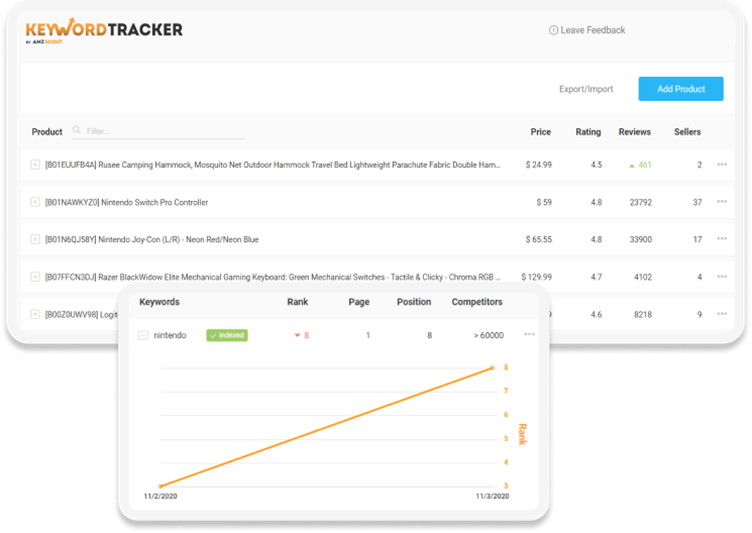
Keyword strategy is the base layer of Amazon SEO ranking. Without the right keywords mapped correctly, even the best product will struggle to gain visibility. In , keyword strategy is no longer about chasing high volume terms only. It is about matching buyer intent at different stages of the purchase journey.
In my 5 years working with US brands, I have seen sellers lose ranking because they targeted broad keywords that brought traffic but no sales. Amazon tracks this behavior closely. If shoppers click and do not buy, rankings fall. A strong keyword strategy balances main keywords with supporting long tail phrases that convert better.
Primary keywords should sit naturally in the title and early bullet points. Secondary and related terms fit into bullets, descriptions, and backend fields. This structure helps Amazon understand relevance while keeping the listing readable for buyers. Amazon SEO ranking improves when keyword placement aligns with how US shoppers actually search and buy.
Amazon SEO software plays an important role here by showing keyword trends, ranking changes, and competitor gaps. Used correctly, it prevents guesswork and keeps your keyword strategy aligned with real demand.
Product Listing Optimization for Higher Amazon SEO Ranking
Product listing optimization directly impacts Amazon SEO ranking because it controls conversion signals. Amazon can index keywords, but it ranks products that sell. Every element of the listing must push the buyer toward a confident purchase decision.
Titles should lead with the main keyword while clearly stating what the product is. Bullet points should focus on benefits, not features alone. US shoppers scan quickly, especially on mobile. Clear value, problem solving language, and trust signals matter more than long descriptions.
Images are a major ranking lever. High quality images increase click through rate and conversion rate, which feeds back into Amazon SEO ranking. Lifestyle images, comparison charts, and usage visuals often outperform plain product shots in competitive US categories.
Descriptions and A plus content help with engagement and time on page. While they do not directly boost ranking on their own, they support conversions, which Amazon tracks closely. In my experience, listings optimized end to end see more stable Amazon SEO ranking even during competitive seasons.
When product listing optimization is paired with strong keyword strategy, rankings grow faster and hold longer without relying heavily on ads.Top of Form
How Amazon SEO Software Supports Ranking Decisions
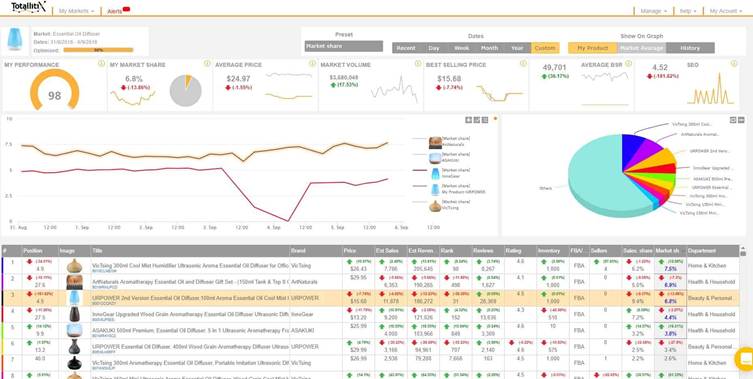
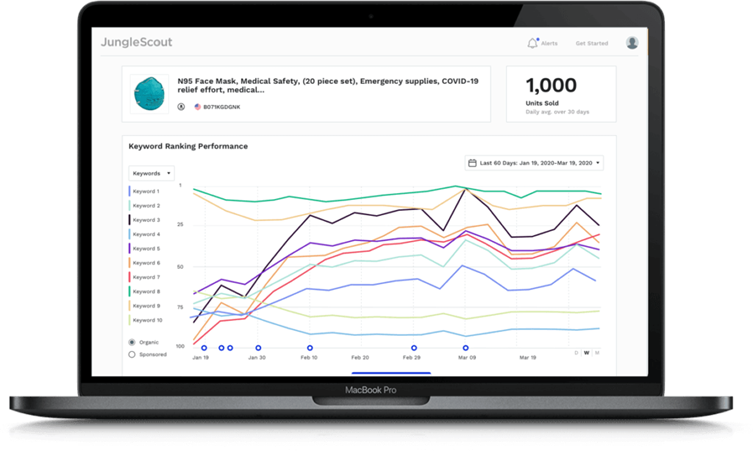
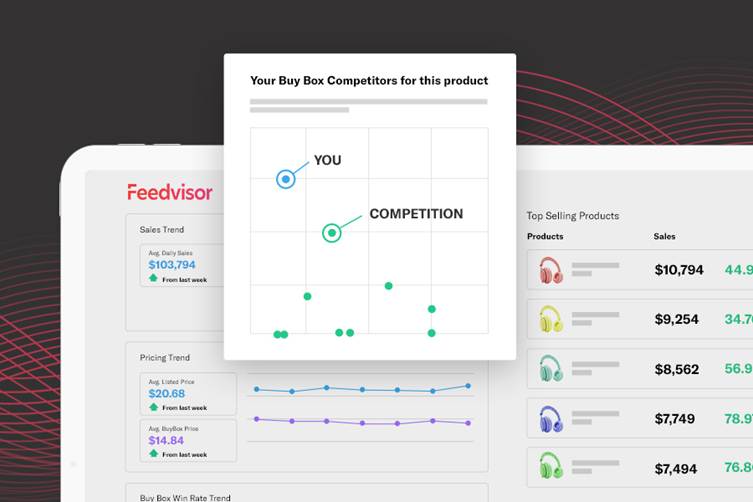
Amazon SEO ranking decisions in are too fast moving to manage by instinct alone. This is where Amazon SEO software becomes useful. It gives visibility into what the algorithm is responding to and where rankings are slipping before sales drop.
In my 5 years working with US brands, teams that relied only on manual checks often reacted late. Amazon SEO software tracks keyword positions daily, shows indexing status, and highlights competitor movements. This helps sellers see which keywords are gaining traction and which are losing relevance.
Good tools also connect ranking changes with conversion data. If a product drops despite steady traffic, the issue is usually conversion related. If impressions fall, relevance or indexing is often the cause. Amazon SEO software helps separate these signals so decisions are based on facts, not assumptions.
Used correctly, these tools guide listing updates, keyword expansion, and testing priorities. They do not replace strategy, but they make Amazon SEO ranking decisions faster and more accurate for US brands operating in competitive categories.
Backend Search Terms and Indexing Impact on Amazon SEO Ranking
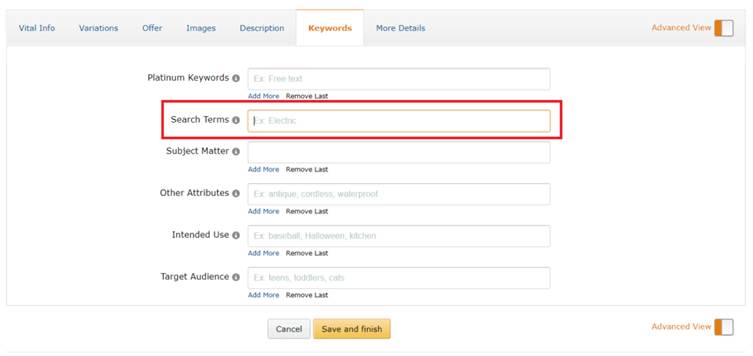
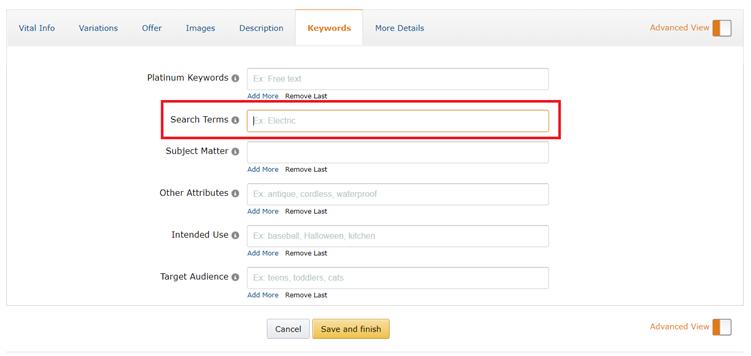
Backend search terms play a quiet but important role in Amazon SEO ranking. They do not influence buyers directly, but they help Amazon understand what searches your product should appear for. If indexing is broken, ranking never starts.
Backend fields should include relevant keywords that do not fit naturally into the visible listing. This includes spelling variations, synonyms, and alternate phrasing used by US shoppers. Repeating keywords already used in the title or bullets wastes valuable space.
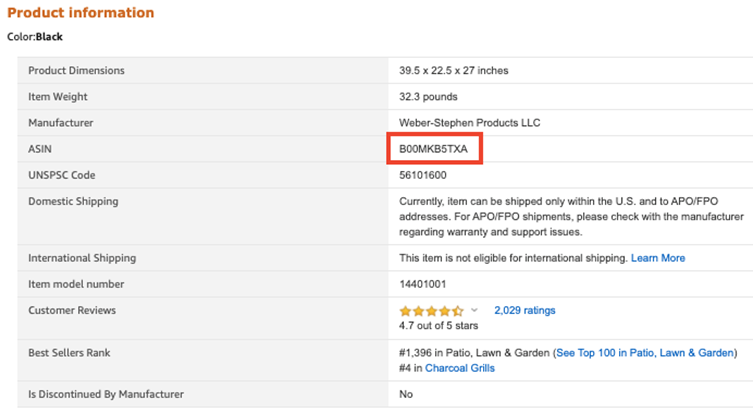
Indexing is the first checkpoint. If a product is not indexed for a keyword, it cannot rank no matter how strong sales are. In my experience, many US sellers assume indexing happens automatically. It does not. Backend errors, category mismatches, or suppressed listings can block indexing entirely.
Amazon SEO software helps confirm which keywords are indexed and which are missing. This allows sellers to fix gaps quickly and protect Amazon SEO ranking from silent failures. Clean backend terms combined with strong front end content create a stable foundation for long term ranking growth.
Amazon SEO Ranking vs Amazon PPC and How Smart Brands Use Both
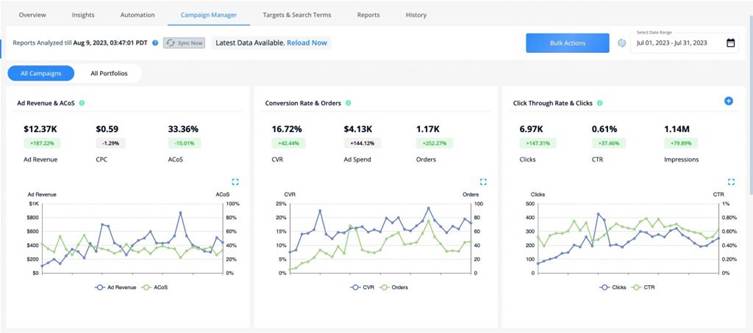
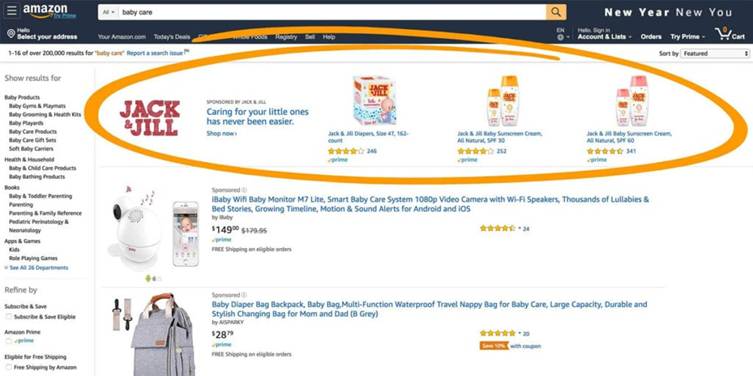
Amazon SEO ranking and Amazon PPC serve different purposes, but strong brands use them together. Amazon SEO ranking builds long term visibility through relevance and conversions. Amazon PPC buys immediate placement for selected keywords. One supports stability. The other supports speed.
In my 5 years working with US brands, I have seen sellers rely too heavily on ads and ignore organic ranking. This creates short term sales but rising costs. When ads pause, sales drop. On the other side, brands that focus only on SEO often grow slowly in competitive categories.
Smart brands use PPC to support Amazon SEO ranking. Ads help generate early sales velocity and keyword data. This data shows which search terms convert best. Those terms then feed into listing optimization. As organic ranking improves, ad spend can be reduced on keywords that now rank naturally.
Amazon SEO software helps connect these efforts by showing overlap between paid and organic keywords. When both channels support each other, brands gain predictable growth without burning margin on ads alone.
Measuring Performance and ROI from Amazon SEO Ranking Efforts
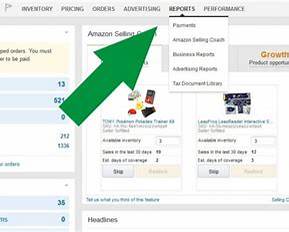
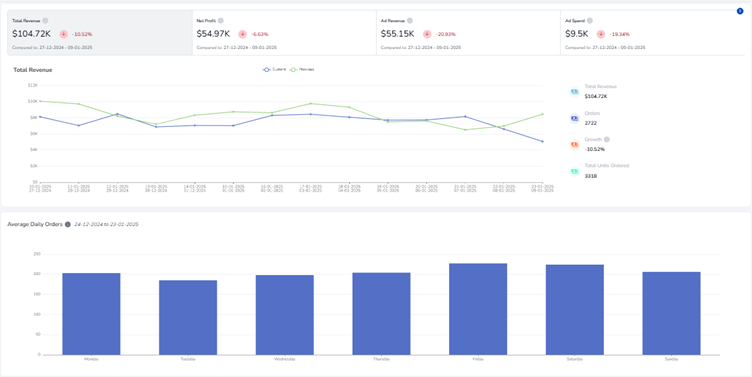
Measuring Amazon SEO ranking success goes beyond checking keyword positions. Rankings matter only if they drive profitable sales. US brands should track a clear set of performance signals tied to business outcomes.
The first metric is organic impressions and clicks for target keywords. If rankings rise but traffic does not, relevance may be off. Conversion rate is the next signal. In my experience, listings that beat category average conversion rates tend to hold Amazon SEO ranking longer.
Sales from organic traffic show true ROI. This includes unit sales, revenue, and contribution margin without ad spend. Over time, brands should see a lower dependency on PPC for core keywords.
Amazon SEO software supports ROI tracking by connecting ranking changes with sales trends. This helps teams understand which optimizations worked and which updates hurt performance. When measurement stays consistent, Amazon SEO ranking becomes a controllable growth lever rather than a guessing game.
Common Amazon SEO Ranking Mistakes US Sellers Still Make

Many US sellers struggle with Amazon SEO ranking not because their product is weak, but because basic mistakes keep repeating. One of the most common issues is keyword stuffing. Adding the main keyword everywhere makes listings hard to read and hurts conversion. Amazon notices when buyers scroll past or bounce.
Another frequent mistake is ignoring conversion data. Sellers often chase rankings without fixing images, pricing, or reviews. In my 5 years working with US brands, I have seen listings rank briefly and then collapse because buyers did not convert. Ranking without conversion never lasts.
Backend misuse is also common. Repeating visible keywords in backend search terms wastes space and limits indexing opportunities. Some sellers also forget to monitor indexing after updates, leading to silent ranking drops.
Over reliance on Amazon SEO software without strategy causes problems too. Tools show data, but they do not explain buyer intent. When sellers react to every small ranking shift, listings lose focus and consistency. Avoiding these mistakes is often the fastest way to stabilize Amazon SEO ranking.
How Sellers Catalyst Improves Amazon SEO Ranking for US Brands
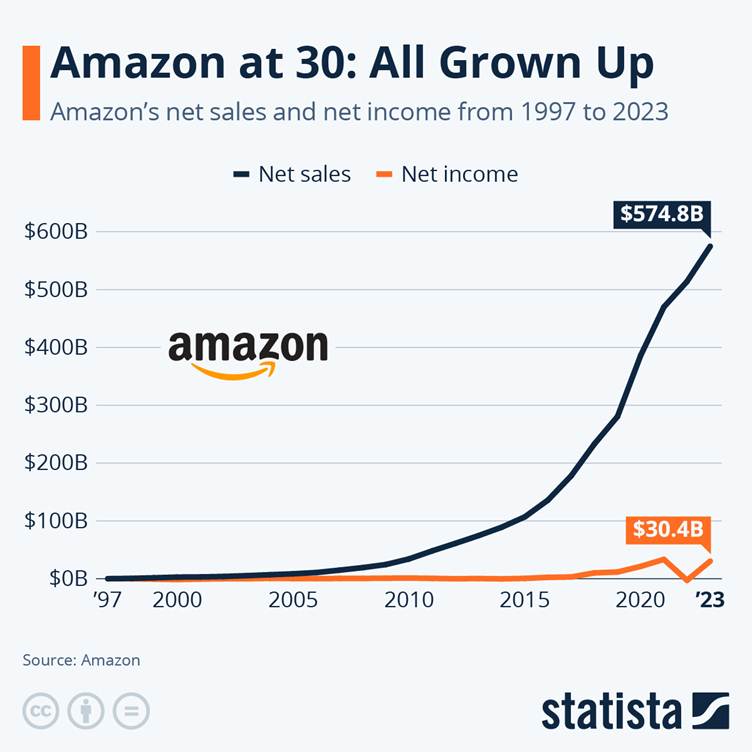
Sellers Catalyst improves Amazon SEO ranking by treating it as a business system, not a checklist. The focus is always on how rankings translate into profitable sales, not vanity positions.
In my experience working with US ecommerce brands, the process starts with deep keyword intent analysis. This goes beyond volume and looks at buyer readiness. Listings are then rebuilt to align relevance, clarity, and conversion. Every title, bullet, image, and backend field serves a clear purpose.
Amazon SEO software is used to track movement, not to dictate strategy. Data highlights risks early so fixes happen before revenue drops. PPC insights are used to support organic ranking rather than compete with it.
Most importantly, optimization is ongoing. As competition shifts and buyer behavior changes, listings are refined to protect and grow Amazon SEO ranking over time. This disciplined approach is why US brands see steady visibility instead of short term spikes followed by decline.
Bottom of Form
How to Choose the Right Amazon SEO Partner for Long Term Ranking Growth

Choosing the right partner for Amazon SEO ranking is a business decision, not a vendor task. US brands should look beyond promises of fast rankings and focus on process, accountability, and understanding of buyer behavior.
A reliable partner explains how Amazon SEO ranking works in simple terms and ties every action to sales impact. Ask how they approach keyword intent, listing optimization, and conversion improvement. In my 5 years working with US brands, the strongest partnerships were built on transparency, not tactics kept hidden.
Experience across categories matters. What works in supplements may fail in home goods or SaaS related products. Your partner should show examples of long term ranking stability, not short spikes. They should also understand how Amazon SEO software supports decisions without replacing strategy.
Most importantly, the right partner thinks long term. Amazon SEO ranking is not a one time setup. It requires testing, refinement, and protection as competitors react. A partner aligned with growth will plan for months ahead, not just the next ranking report.
Conclusion and Next Steps
Amazon SEO ranking is one of the strongest long term growth levers for US brands selling on Amazon. When keyword strategy, listing optimization, backend indexing, and performance tracking work together, rankings become predictable and profitable.
Sellers Catalyst helps brands build and protect Amazon SEO ranking with a structured, conversion focused approach. If you want stable visibility without relying entirely on ads, this is the right time to review how your listings are performing and where ranking gaps exist.
Frequently Asked Questions About Amazon SEO Ranking
Amazon SEO ranking refers to where your product appears in Amazon search results. Higher rankings lead to more visibility, clicks, and sales. For US brands, strong Amazon SEO ranking reduces ad dependency and improves long term profitability.
Most listings show movement within 30 to 60 days when relevance and conversion issues are fixed. In competitive categories, stable Amazon SEO ranking can take longer due to sales history and competition.
Yes, but PPC often supports early growth. Ads help generate sales data and keyword insights that improve organic Amazon SEO ranking faster, especially for new listings.
Backend terms affect indexing. If a keyword is not indexed, it cannot rank. Clean backend setup helps Amazon SEO ranking start correctly but does not replace front end optimization.
No software can guarantee rankings. Amazon SEO software helps track data and spot issues, but strategy and conversion improvements are what actually influence Amazon SEO ranking.
Listings should be reviewed monthly or when performance drops. Frequent unnecessary changes can hurt Amazon SEO ranking, so updates should be data backed.
Reviews affect conversion rate, which impacts ranking. Better reviews improve buyer trust and help stabilize Amazon SEO ranking over time.
The algorithm is the same, but mobile behavior affects conversion. Since most US shoppers browse on mobile, listings must be optimized for fast scanning.
Common reasons include conversion decline, stock issues, backend errors, or competitor activity. Amazon SEO software helps identify the cause quickly.
Sellers Catalyst focuses on buyer intent, conversion signals, and long term stability. Rankings are treated as a result of strong systems, not isolated tricks.